Kibale’s most popular activity is the Kanyanchu Primate Walk. Thirteen species can be sought, and a good variety of diurnal monkeys invariably encountered, but the stars of this twice-daily show are chimpanzees.

Kibale’s most popular activity is the Kanyanchu Primate Walk. Thirteen species can be sought, and a good variety of diurnal monkeys invariably encountered, but the stars of this trail are the chimpanzees. Kanyanchu’s chimps have been tracked since 1993 and the chances of locating them are excellent. Guided walks start at 8am and 2pm and last an average of three hours, depending on various factors.

The perennially popular primate walk provides the chance to observe chimpanzees in their natural habitat. Kanyanchu’s groups are accustomed to human presence – some have been observed for over 25 years – and the chance of locating them is over 90%. Walks leave Kanyanchu Visitor Centre at 08.00, 11.00 and 14.00 and last between 2-5 hours. Early arrival to allow for registration and briefing is recommended. Contact time with chimpanzees is limited to one hour; group size is limited to six visitors; participants must be aged 16 or over. Advance booking is essential.

This biologically diverse region also provides shelter to a further 120 mammals, including several primate species such as baboons and chimpanzees, as well as elephants and antelopes. There are around 370 species of birds hosted in this forest, including 23 Albertine Rift endemics.The Nahan’s francolin,cassin’s spinetail,blue headed bee-eater and low-land masked apalis.

Most prominent among Kibale’s primates  is the chimpanzee population surge of about 1,500 individuals,divided into atleast a dozen different communities,four of which are habituated to humans.The Kanyantale community has been subject to daily tourist tracking since 1993.

More Destinations

Lake Mburo National Park

Lake Mburo National Park

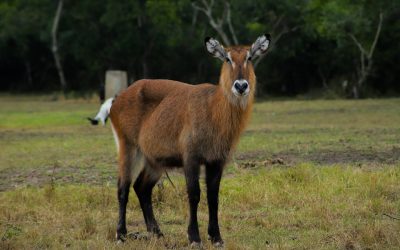
Wetland habitats comprise 20% of the park’s surface The parks’ precarious past has seen wildlife virtually eliminated several times: firstly, in various attempts to rid the region of tsetse flies, then to make way for ranches, and finally as a result of subsistence...
read more
Bwindi Forest National Park

Bwindi Forest National Park

The Mubare gorilla group was the first to become available for tourism in Uganda in April 1993. Nine groups are now habituated for tourism, and one group for research. Spread over a series of steep ridges and valleys, Bwindi is the source of five major rivers, which...

read more
Queen Elizabeth National Park

Queen Elizabeth National Park

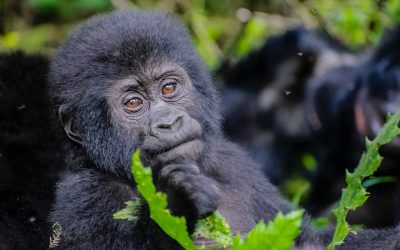
Queen Elizabeth National Park spans the equator line; monuments on either side of the road marking the exact spot where it crosses latitude 00. The park was founded in 1952 as Kazinga National Park and renamed two years later to commemorate a visit by Queen Elizabeth...
read more
Murchison Falls National Park

Murchison Falls National Park

Murchison Falls National Park sits on the shore of Lake Albert, in northwest Uganda. It’s known for Murchison Falls, where the Victoria Nile River surges through a narrow gap over a massive drop. Park wildlife includes elephants and hippos, and there are chimpanzees...

read more